
Somatic coaching · onlineSome of our deepest patterns can't be reached through the mind alone.
I’m Nawar. Somatic coach, nutritional therapist and writer.
20 minutes on Zoom. No preparation, no pressure, just a conversation.
9 years in clinical practice · Somatic Experiencing® training · ICF Level 2 body-oriented coach
Maybe you’ve read about attachment, and you can see how your past shapes the way you respond today. And still you find yourself wondering: I know all this, so why do I keep ending up in the same place?
Somatic coaching widens the conversation from what you think about an experience to what you notice while you're in it and how you can make another choice.. Your mind and body aren't separate. The way you breathe, hold yourself and move is part of how you think and feel. And your nervous system never stops learning. When we slow down and notice what's happening in your body, especially when something feels a bit better or new, we're giving your system a chance to actually learn that new way of being. You won't just understand it in your head. You'll feel it, so it's easier to find again when you need it I'm Nawar, and I'd love to hear what's bringing you here.
Who this is for
You’re going through a period of change. Something in your relationships, work or life is shifting, and you’d like some space to consider what comes next.
You spend a lot of time in your head. You think things through, analyse conversations and sometimes struggle to work out what you’re actually feeling.
You’re curious about what you want. You’d like to feel more connected to your instincts and more confident in making choices that feel right for you.
You’d like an unhurried space to explore how you’re feeling and what you’d like to change.
You give and give, and lose yourself along the way.
You know yourself well: the therapy, the books, the podcasts, and you’re a little tired of only thinking about it and want a deeper shift.
You can explain why you respond the way you do, and you still find yourself responding that way.
You’d like more room to be yourself, in your relationships, your decisions and your ordinary days.
You don't need to recognise yourself in all of these. They're just a few of the things that tend to bring people to this work.
What becomes possible
Noticing the pattern while it's happening, not three days later
Setting a boundary, and staying with yourself afterwards
Staying present in a hard conversation
Recognising what you need, and offering it to yourself with care
What used to feel automatic starting to feel like a choice
Everyone moves at their own pace, this isn't a quick fix.
Over time, this work can mean restoring a sense of internal safety, reconnecting with your physical boundaries, and meeting your own narrative with self-compassion. It's a relationship with yourself that stays with you, one that honours your dignity and your pace.
What a session can feel like
Sessions can be creative too: we might use objects, space or gentle movement, so you can discover something in the moment rather than only talk about it. Often, when a feeling is given a little curiosity, something softens or settles on its own. Each time, the old pattern loosens a little, and what used to feel automatic starts to feel more like a choice. What I can offer is a relationship with your body that stays with you long after our sessions end.
Here’s roughly how a session goes:
We talk. We start with whatever feels important for you to explore.
We notice. We slow down and pay attention to what’s happening in your body while we talk. Sometimes it’s creative: objects, space, imagery or gentle movement.
You choose a different response. You decide what feels right, and we go at your pace. Over time, what used to feel automatic can start to feel more like a choice.
When we slow down and pay attention, new things can become possible:
setting a boundary,
staying present in a hard conversation,
noticing a pattern while it’s happening,
pausing before you say yes,
choosing what feels right for you,
being in touch with your innate resilience,
feeling connected to your aliveness,
simply recognising + giving yourself what you need.
What is somatic coaching?
in their words
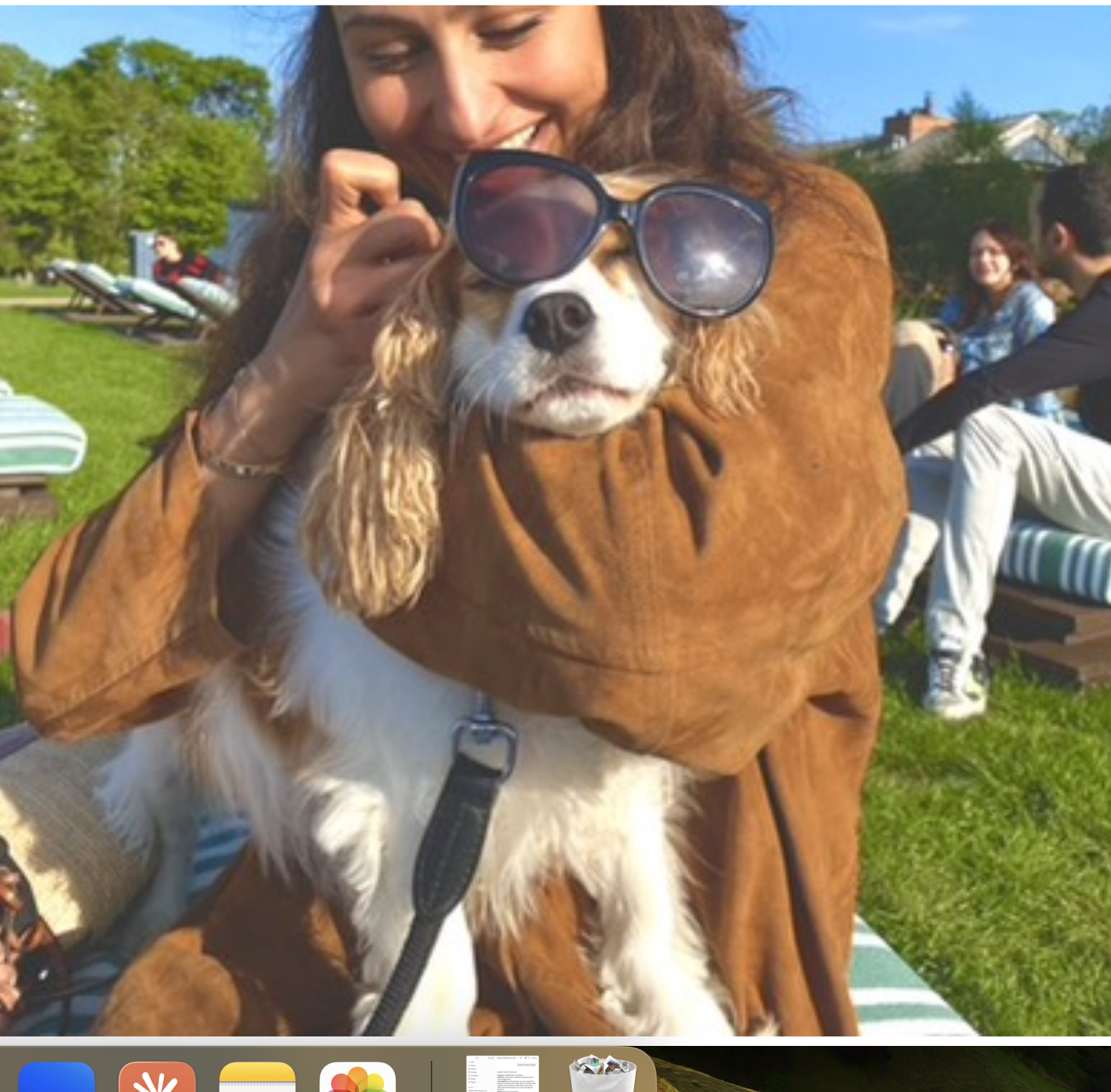
Hello, I'm Nawar :)
I came to this work through my own body, one that didn’t always feel particularly easy to live in.
My life's work is supporting people to befriend themselves and build resilience. I've spent 9 years working with people in clinical settings. I trained as a somatic coach, and I'm now training in Somatic Experiencing.
Read my story →
Ways we can work together
-
Come as you are. We’ll make space for whatever you’d like to explore.
6 sessions over 8 weeks, on Zoom, from your sofa or your bed with a cup of tea
First session is intention setting for the next weeks ahead. We talk, and we slow down to notice what’s happening in your body
After each session: a summary, some exercises and any resources that might help
Two quieter weeks to let things settle
You don’t need to know where to begin. A little curiosity is enough.
-
A small circle of five to eight people, meeting over a few weeks around a shared theme.
You bring your own intention
We explore together through noticing, gentle movement and conversation
Room to be witnessed, and to feel a little less alone in it
Share as much or as little as you like
-
Explore the practices in your own time.
Eight weeks of access to a simple online space
A new practice each week, with gentle prompts to notice what comes up
Book a 60-minute support call with me whenever it would help
Questions
-
No. Somatic coaching is present-focused and client-led, and it isn't a replacement for clinical or medical care. It works beautifully alongside therapy, and many of my clients have both.
-
Not at all :) Most people arrive with no background. We build the language together.
-
No. We work with what's happening in your body now. You never have to retell your history for this to work.
-
That's very common, and it isn't a problem. It's information too. Building the ability to sense is part of the work, not something you need first.
-
We meet on Zoom for 20 minutes. You tell me a little about what's bringing you here, I explain how the work goes, and you ask me anything. Then you decide whether it feels right.
Curious?